


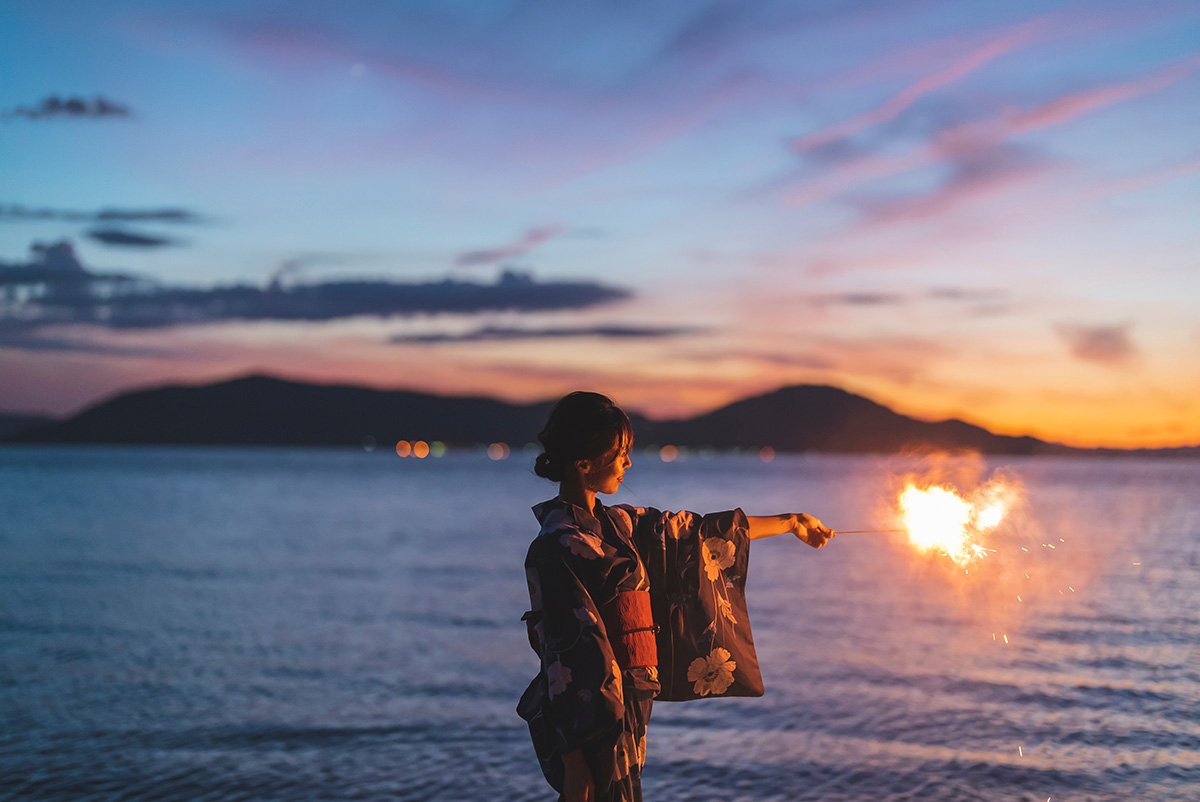
Watch enough anime and Japanese dramas and you’ll see the significance of natsumatsuri (夏祭り) or summer festivals during the season. Even though they vary from place to place, a lot of these festivals have cultural and historic ties to local shrines and temples. Taking part in modern day festivals doesn’t require a specific dress code and attendees can attend them wearing whatever is comfortable for the summer. But some people may choose to dress up for the occasion in traditional clothing, with some of them reserved for specific summer festivals like those related to Obon. And if you’ve ever been interested in the different styles people wear during Japanese summer festivals, there’s so much to learn about what’s available.
Yukata
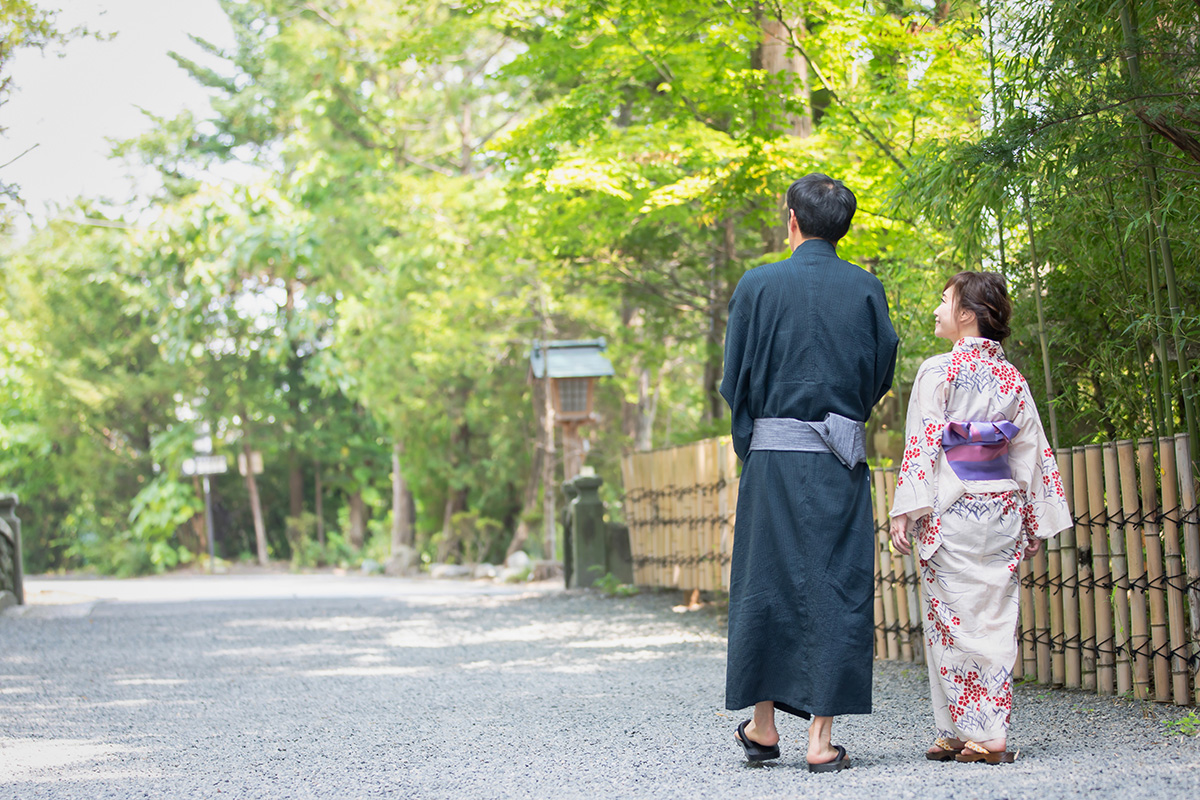
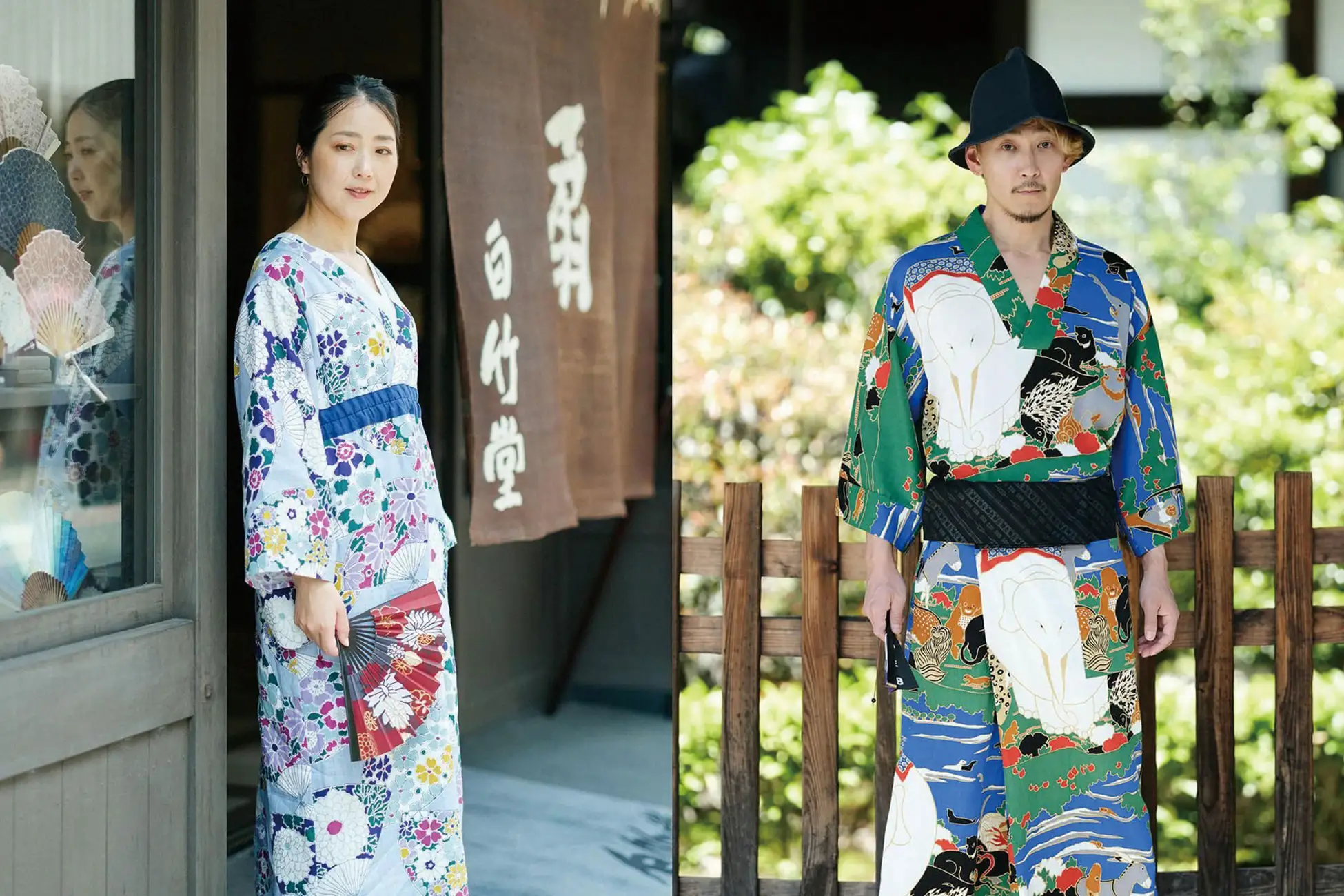
The yukata (浴衣) is the most common form of traditional clothing worn during summer events like matsuri and hanabitaikai (花火大会) or fireworks festivals. Commonly made with light fabrics like cotton or linen, yukata are designed to keep the wearer cool during the humid Japanese summer evenings. Traditionally they’re dyed indigo or blue, but nowadays they’re available in a variety of colors and patterns. They are, however, not to be confused with the yukata you might find at a traditional inn or hotel. Summer yukata often come with an obi (帯) or sash to tie around the waist and its design compliments the overall look of the yukata.
Every year, many Japanese fashion brands release yukata collections for the summer and a few even use materials like denim and lace to create a more modern look. A few contemporary yukata even have more unique designs compared to more traditional ones.
Some companies also release yukata for pets so they can match with their families when they go out to festivals and other summer outings.
First timers wearing a yukata might find it more convenient to rent one from stores that specialize in kimono rentals. Even though it’s a casual form of traditional clothing, putting on the obi that goes around the yukata does require some technique so it’s tied the right way and stays on. These businesses may also offer hairstyling services and additional accessories to match whatever yukata you choose.
Footwear is another thing to keep in mind if you plan to wear a yukata. People might wear traditional wooden sandals called geta (下駄) but modern day sandals or sneakers are also commonly worn, especially if attending the festival will require a lot of walking.
Jinbei
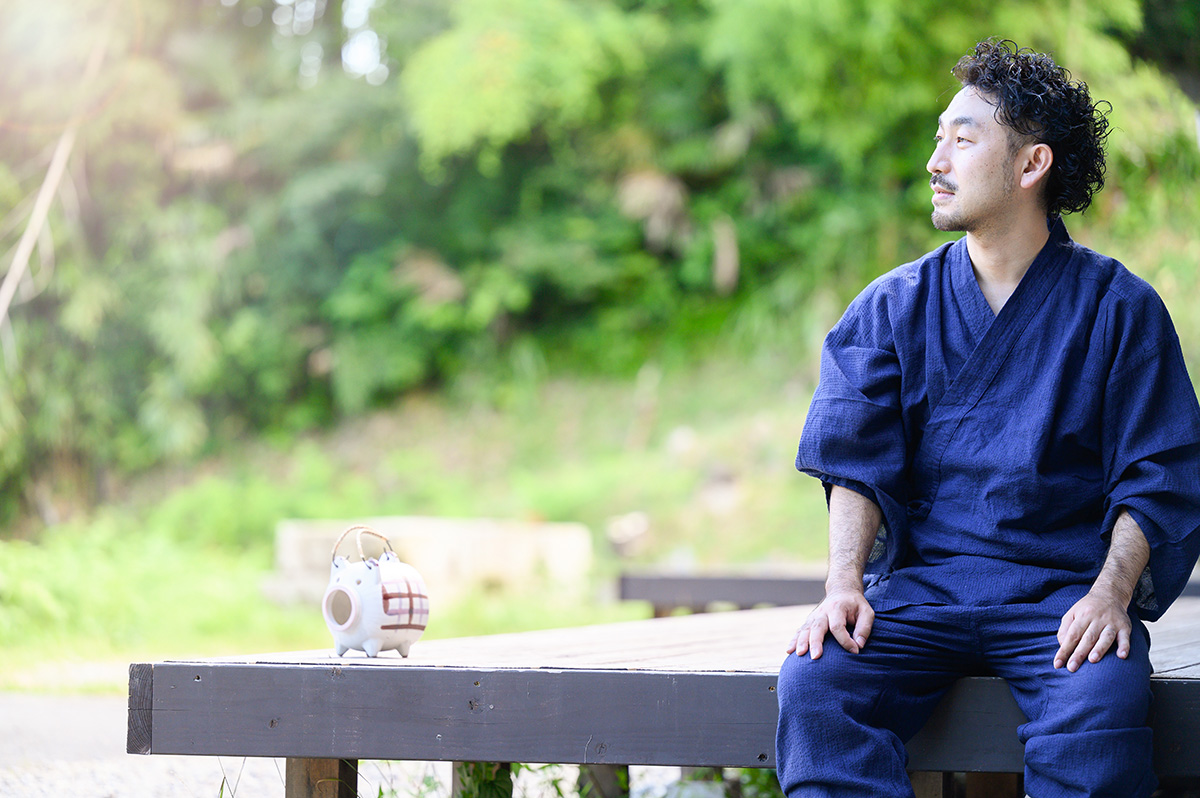
Some people find yukata uncomfortable to wear since it limits movement and can still feel hot in the humid Japanese summer. In this case, they might wear a traditional two-piece set called jinbei (甚平). Jinbei consist of a top with sleeves that come down to the elbow or forearm and shorter pants that cut off around the knees. Since jinbei are commonly worn in the summer, they often come in designs similar to yukata.
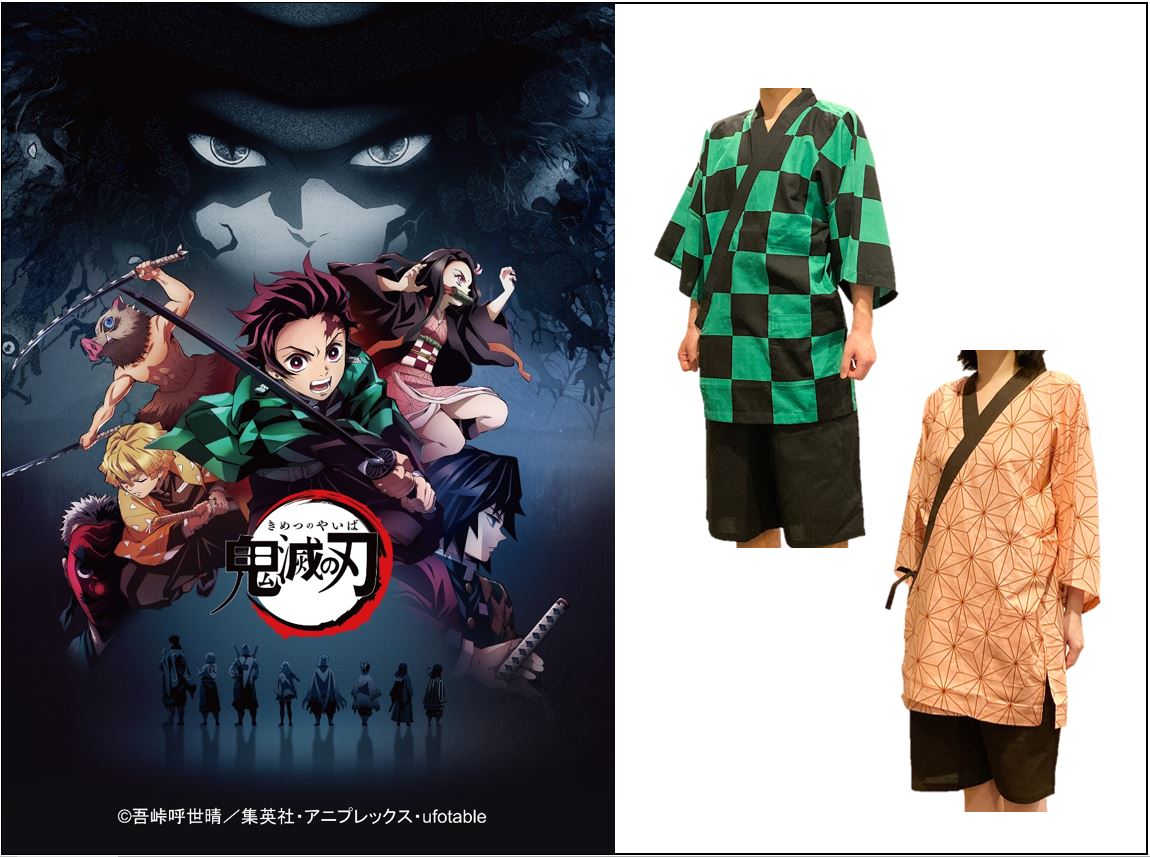
Anime fans might even be lucky to get collaboration goods with jinbei or yukata inspired by their favorite shows and characters. Don’t expect this to always happen, though, as designs tend to change every year. And a lot of the time, these collaborations require pre-orders and go fast.
Samue
Similar to jinbei, samue (作務衣) is another set of traditional clothing that can be worn during summer festivals. Fans of My Dress Up Darling might recognize this as Wakana Gojo’s day-to-day outfit.
Sleeves and pants are longer on samue pieces. And compared to jinbei, they tend to have darker colors and more subtle designs. Depending on the look you’re going for, jinbei and samue are great alternatives to yukata that provide more mobility.
Happi, Hanten, and Haori
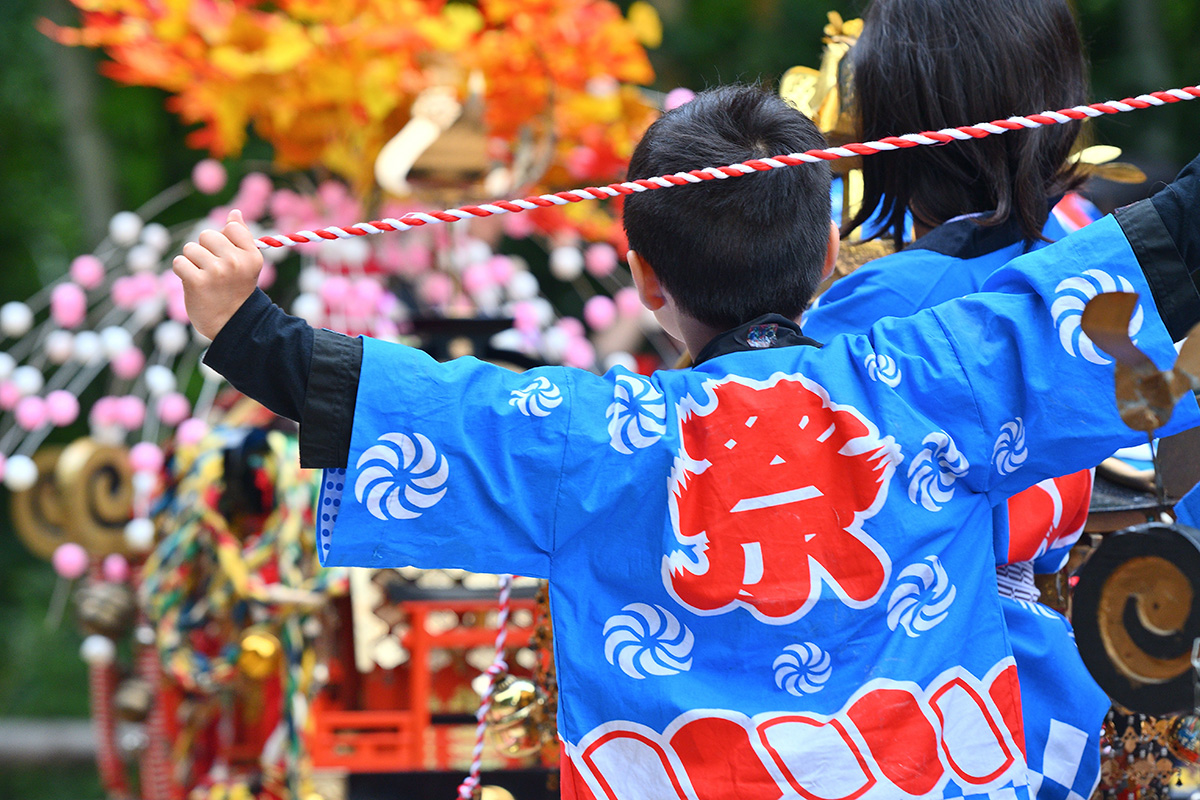
Depending the on the festival, staff and organizers are often seen wearing a casual light jacket called happi (はっぴ). Happi are usually decorated with a company, organization, or city’s name depending on the person wearing them. If a matsuri features a parade or performance, those involved are likely to wear a happi.
In some cases, a longer, slightly more formal looking coat called a hanten (はんてん) might be worn. If a portable shrine called a mikoshi (神輿) is going around during the festival, the people carrying it may wear hanten as part of their uniform.
Happi and hanten are often grouped together with a similar outer coat called a haori (羽織). The haori is often worn over kimono during colder months and is the most formal coat of the three. If you’re looking to buy a Japanese-style coat to wear for a summer festival, keep in mind that sometimes these terms are interchangeable. However, wearing a formal haori during a festival would be seen as strange, and keep in mind they are a lot warmer than happi and hanten.
Kariyushi shirts
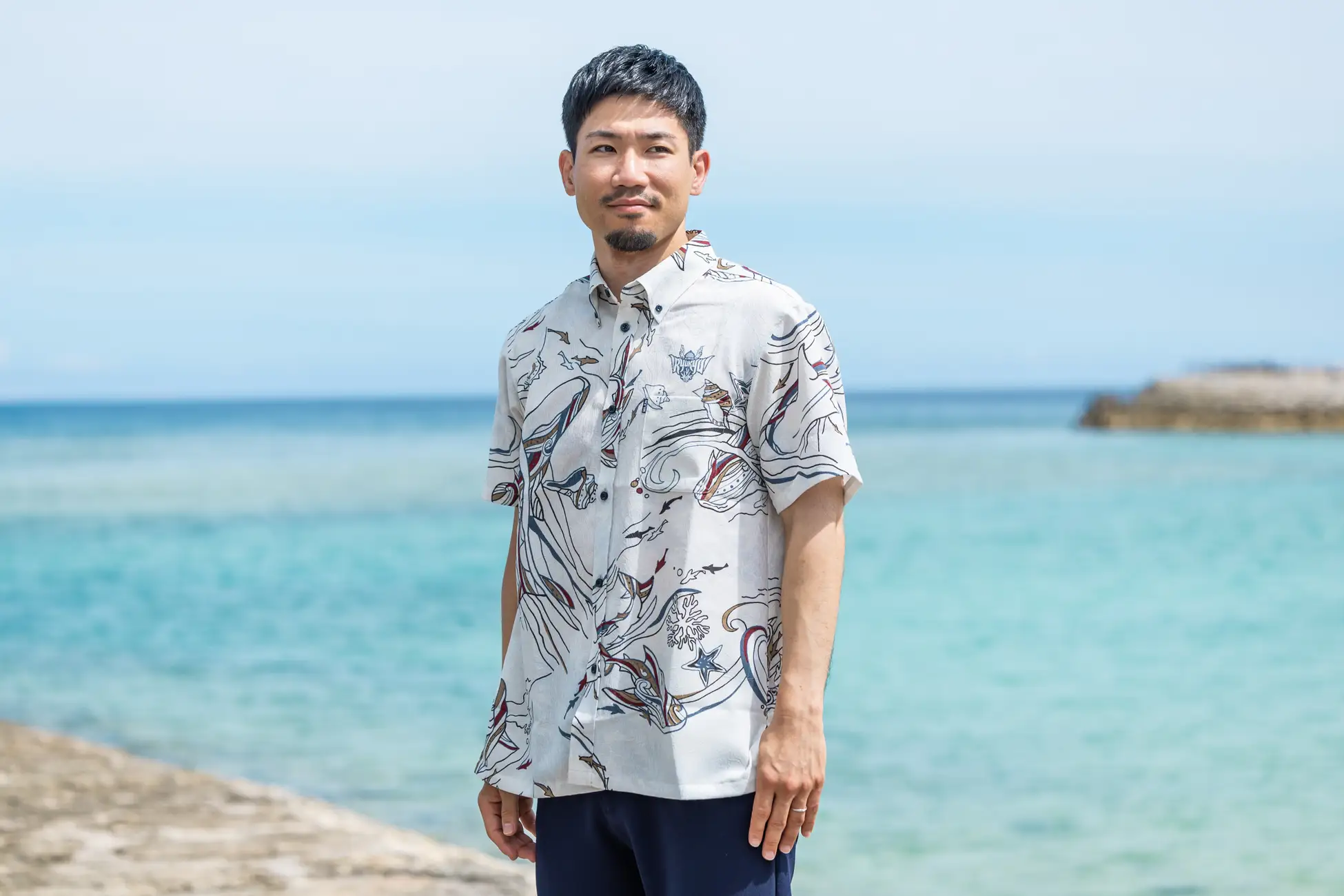
On the islands of Okinawa, clothing has evolved to represent the local culture and adapt to the hot weather. An Okinawan dyeing technique known as bingata (紅型) decorate traditional clothes and modern designs.
During the summer, locally crafted tops known as kariyushi-wear (かりゆしウェア) are worn in business and formal settings to deal with the mid-year heat. Since these shirts are popular during the season, they can be worn as part of a matsuri outfit. But keep in mind that kariyushi shirts must meet certain requirements to be considered authentic:
- Must be made in Okinawa.
- Must have Okinawan motifs.
- Must contain official certification.
Ryūsou
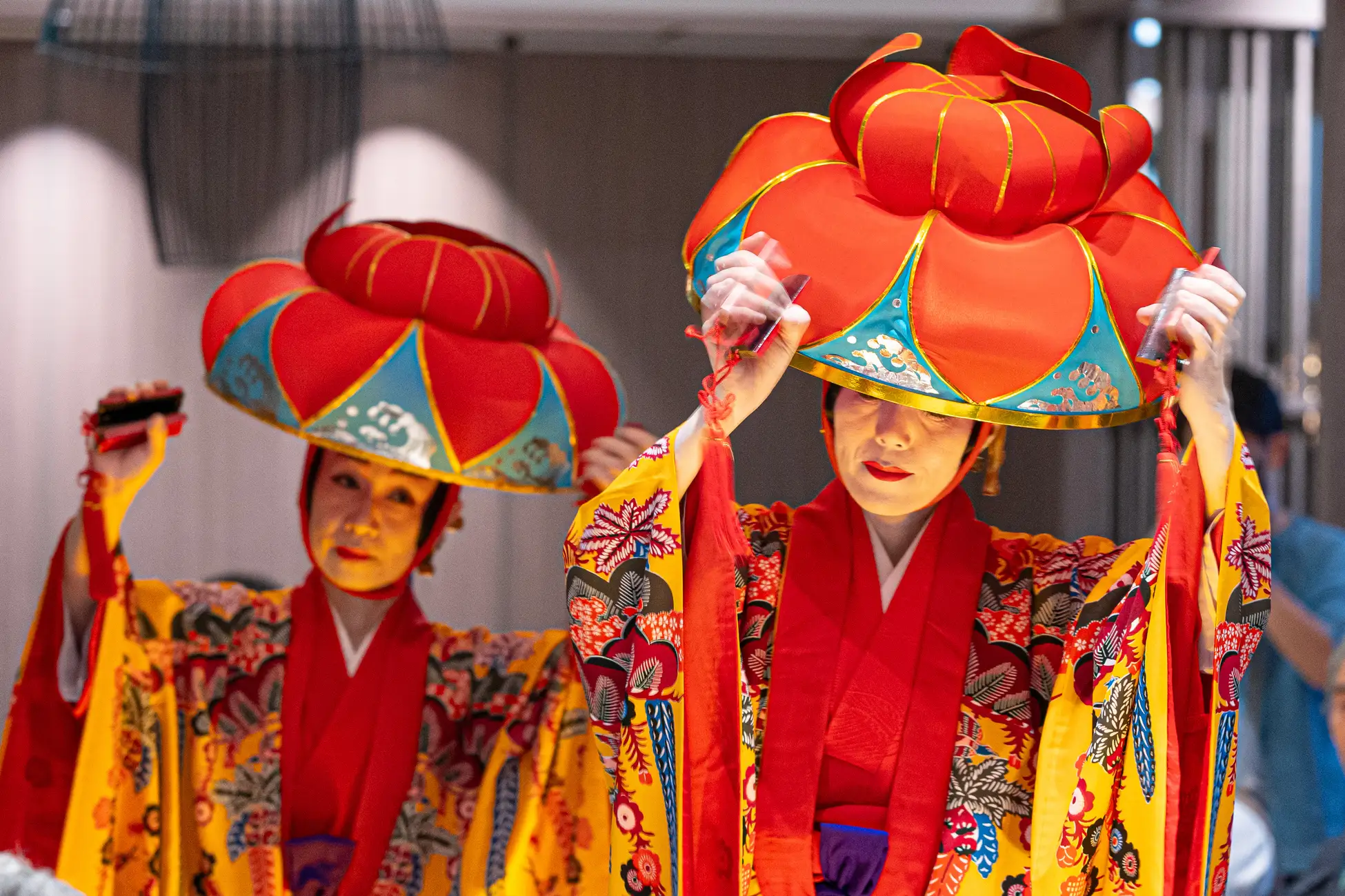
Bingata designs are also used in other forms of wardrobe, especially in Okinawa-made yukata and Okinawan traditional clothing known as ryūsou (流装) or uchinaasugai (ウチナースガイ) in the local language. Ryūsou is often worn during various festivals and traditional performances in Okinawa. Though similar to the kimono, this attire historically drew inspiration from Chinese and Japanese influences and continue to use not just bingata but also special Okinawan textiles like bashōfu (芭蕉布), a type of fabric made from banana fibers.
Special Festival Wear
Although there are plenty of summer festivals throughout Japan, the biggest ones are those that celebrate Obon. Because it’s such a huge event, it’s observed at different times during the summer depending on the city or region. Obon is a Buddhist holiday that honors the spirits of ancestors, and festivals feature dances known bon odori (盆踊り). This time is a great opportunity to see special festival clothing.
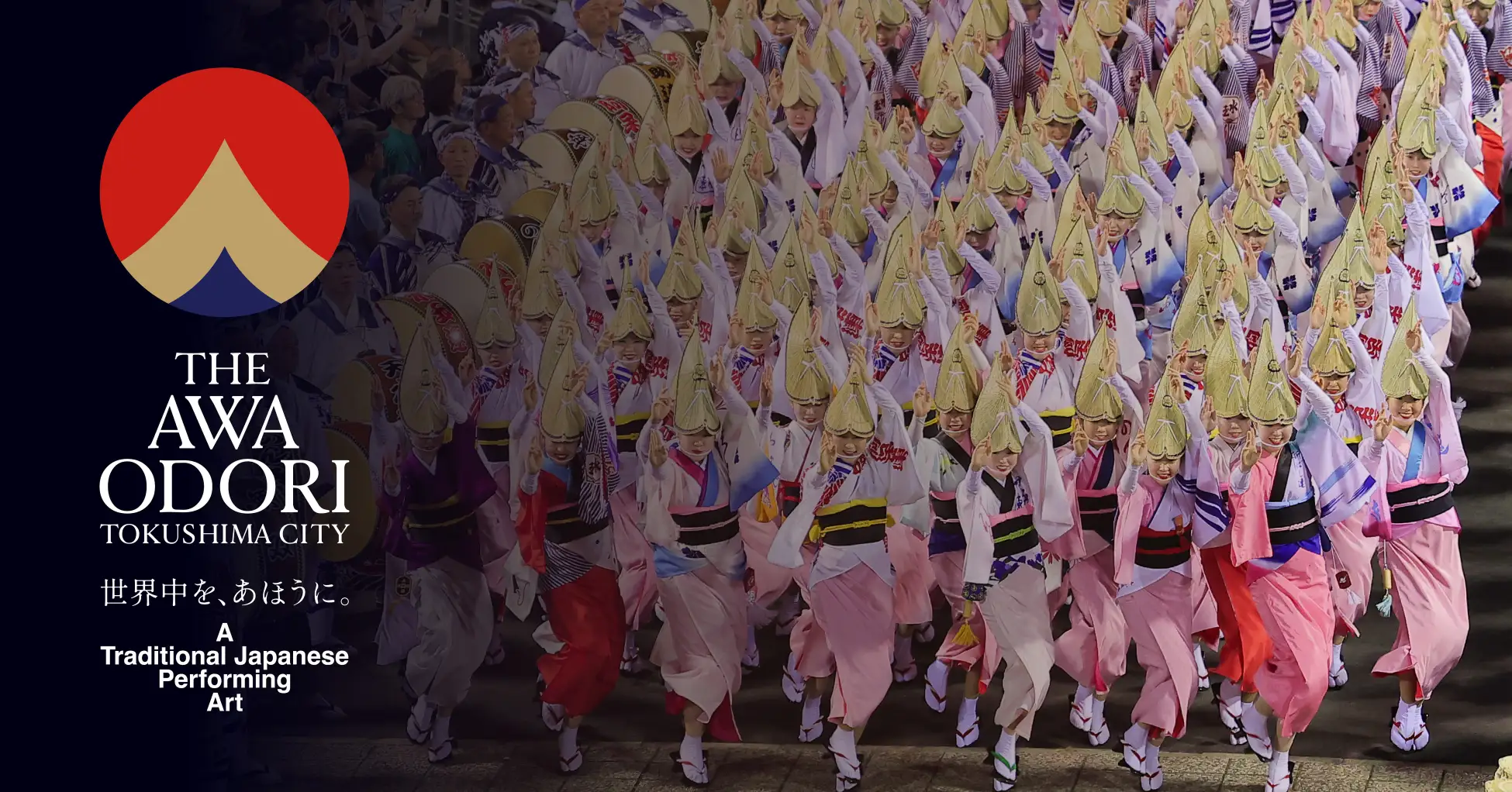
Tokushima is home to the Awa Odori Festival which is the biggest of these events. Female performers wear straw hats called amigasa (編笠) and their yukata come in bright colors that match their dance troupes. The yukata is pulled up to reveal a susoyoke (裾除け)—or underskirt—and the whole outfit is unique to Awa Odori dancers.
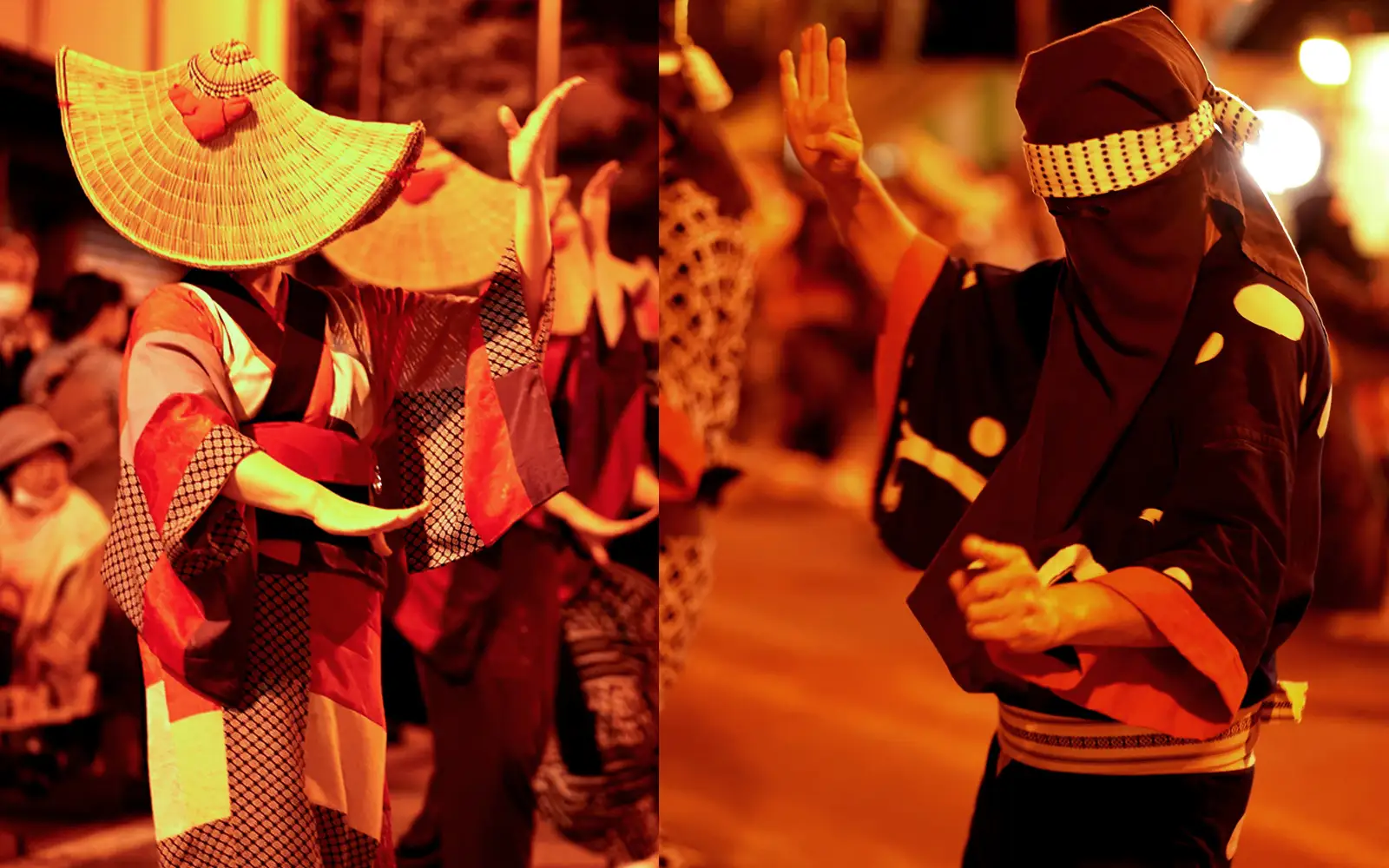
Up north in Akita Prefecture, the Nishimonai Bon Odori performers have a very distinct look to them. Dancers wear one of two types of kimono: hanui ishō (端縫い衣装) are patchwork kimono often passed down through generations made up of carefully selected pieces of fabric while aizome ishō (藍染め衣装) are indigo-dyed pieces. Their outfits are completed with amigasa or black hoods called hikosa zukin (彦三頭巾) to completely cover their faces.
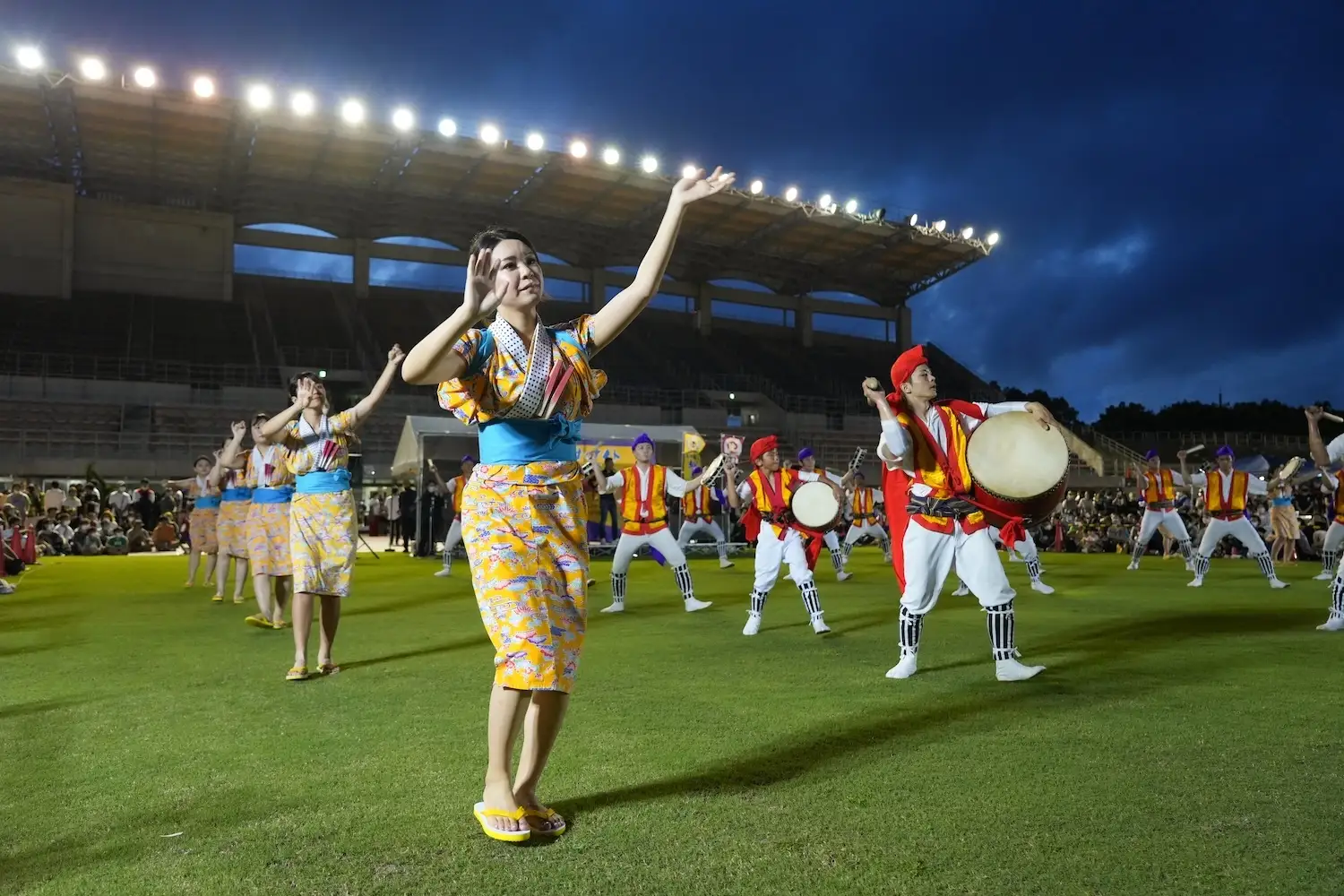
And back south in Okinawa, eisa (エイサー) is the local traditional dance performed during Obon. Okinawan dancers might wear ryūsou or happi and yukata with bingata designs. But during eisa, taiko drummers also wear special outfits for the occasion: headbands, a colorful vest-like uchikake (打掛), and special eisa pants.
When you visit Japan in the summer, there are many opportunities to see and even try on the outfits we’ve mentioned. Common pieces like yukata, jinbei, and happi are available at a lot of shops. But if you’re thinking of experiencing high-quality traditional wardrobe, it’s best to rent them from services that know how to put them on and offer different styles. There are also stores that sell yukata and kimono secondhand for more affordable options. Plus more and more Japanese brands are putting out modern clothes influenced by traditional designs that you can wear for your daily routine, not just summer festivals.
Next time you find yourself in Japan for the summer, try to catch the many different summer festivals and see what traditional outfits you can spot.
Written by Alon Bramble for TOM Zine